Classic artwork
The significance of this interdisciplinary approach lies in its ability to break down traditional boundaries and foster creativity. By drawing from multiple disciplines, artists can push the limits of their practice and create works that resonate on multiple levels https://voltage-bet.co/tennis/. This fusion of film and painting not only enhances the storytelling potential of visual art but also reflects the increasingly interconnected nature of contemporary culture.
Exploring paintings with cinematic qualities can be a rewarding experience, offering a new perspective on how visual narratives can be constructed and understood. By seeking out works that incorporate these techniques, viewers can gain a greater appreciation for the innovative ways artists blend the worlds of film and painting. Whether visiting galleries, attending exhibitions, or exploring online resources, there are countless opportunities to discover and enjoy these narrative-driven compositions.
Despite flopping financially, the 1981 film Pennies From Heaven garnered critical acclaim from the audience. Featuring four paintings recomposed as tableaux vivants, Ross’s romantic drama allowed cinematographer Gordon Willis to create the stylized mythology of the Depression that it turned out to be (Kael, 1984). Film critic Pauline Kael noted, “…there was never a second when I wasn’t fascinated by what was happening on the screen.” (Kael, 1984)
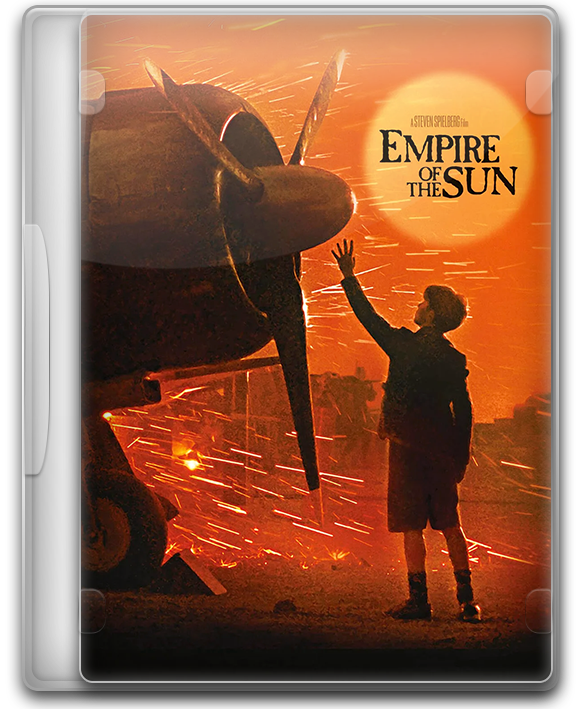
Empire of the Sun artwork
My first published photo book, The Map, took me five years to complete, beginning in 1960. In late 1961 a solo show with work from the series was held at Fuji Photo Salon in Tokyo, organised in three parts.
“The original idea for the Tate Modern exhibition Conflict, Time, Photography came from a coincidence between two books that have captivated and inspired me for many years: Kurt Vonnegut‘s classic 1969 novel Slaughterhouse-Five and the Japanese photographer Kikuji Kawada’s 1965 photobook The Map. Both look back to hugely significant and controversial incidents from the Second World War from similar distances.
It may seem odd that these great works of art and literature took so long to emerge from the aftermath of the events they concern. But many of the most complex and considered accounts of conflict have taken their time. To Vonnegut’s painfully slow response to the war, for example, we might add Joseph Heller’s brilliantly satirical Catch-22, published in 1961, and, even more significantly, JG Ballard’s memorial masterpiece Empire of the Sun, which did not see the light of day until 1984.
The first featured a ruined castle that was blown up intentionally by the Japanese army during the Second World War. The second comprised photographs taken a decade after the atomic bomb exploded in Hiroshima. They showed the stains and flaking ceilings of the Atomic Bomb Dome, the only structure left standing at the heart of the detonation zone. The third part concerned Tokyo during the period of economic recovery: images of advertising, scrap iron, the trampled national flag and emblems of the American Forces such as Lucky Strike and Coca-Cola, all twisted together, their order shuffled again and again. Some appeared as a montage to be presented as a metaphor. I dare not say the meaning of it.
Different conflicts also reappear from multiple points in time throughout the exhibition, whether as rarely-seen historical images or recent photographic installations. The Second World War for example is addressed in Jerzy Lewczyński’s 1960 photographs of the Wolf’s Lair / Adolf Hitler’s War Headquarters, Shomei Tomatsu’s images of objects found in Nagasaki, Kikuji Kawada’s epic project The Map made in Hiroshima in the 1960s, Michael Schmidt’s Berlin streetscapes from 1980, and Nick Waplington’s 1993 close-ups of cell walls from a Prisoner of War camp in Wales.
Theatrical artwork
Everyone can recognize the look of the theater stage. The lighting is dynamic with sharp contrast, the figures are starkly illuminated, and almost everything is exaggerated in some way, whether in costume or in gesture or both. The theatre carries a wonderful notion of story-telling and imagination with it that creates a framework for imagination. The dark curtains and raised platforms of the stage create the illusion that scenes that play before the viewer are in fact real, and that the audience is merely intruding on a story that would have happened regardless of whether or not they were listening in. This, to me, is the essence of the stage. In a sense, nearly all artistic arrangements of figures within a piece draw from the same principles that make up the ways in which a director would position actors within a scene. Paintings of interactions between people can be created to have an almost cinematic feel, drawing from that same notion that what is happening within the image would happen by itself, regardless of whether or not the viewer was there to see it. These images aren’t static; the events depicted are motion-oriented, and the viewer is almost always left wondering what might happen next within the scene. These works in particular create their own “stages”, where some of the details of the locale are shrouded through tenebrism or infinite space, placing more importance on the figures and their implied actions. This gallery is a collection of Renaissance and Baroque paintings that depict events happening within their own stages, alluding to the idea of being in theater.
Garrick, in particular, paid close attention to artworks such as the Raphael cartoons (which were on public view at Hampton Court Palace) and developed a large repertoire of poses from them for the stage. This was key when it came to pioneering his bold, new style of acting.
Isabella studied at the University of Cape Town in South Africa and graduated with a Bachelor of Arts majoring in English Literature & Language and Psychology. Throughout her undergraduate years, she took Art History as an additional subject and absolutely loved it. Building on from her art history knowledge that began in high school, art has always been a particular area of fascination for her. From learning about artworks previously unknown to her, or sharpening her existing understanding of specific works, the ability to continue learning within this interesting sphere excites her greatly.
Theater as an art form has evolved over millennia, with its earliest roots traceable back to ancient Greek festivals such as Dionysia, where tragedy, comedy, and the satyr play emerged. Influential Greek dramatists like Aeschylus, Sophocles, and Euripides laid the groundwork for Western drama in the city-state of Athens. This classical form later found new expression through the works of William Shakespeare, most notably in plays like Hamlet.